Garden design and build in Penge
If you are looking for Garden design and build in Penge, you are probably after more than a simple tidy-up. You may want a garden that looks better, works harder, and suits the way you live day to day. In Penge, outdoor spaces come in many forms: compact town gardens, long narrow plots, family lawns, terraced house courtyards, and shared commercial areas that need to look presentable all year. A well-planned garden can bring order to a cramped layout, add usable space, and create a setting that feels calm, practical, and easy to enjoy.
Local knowledge matters here. Penge has a mix of period homes, flats with communal access, newer developments, and properties close to busy roads and rail links. That means garden work often needs careful planning around access, storage, deliveries, neighbour boundaries, parking, and how materials are brought in and out. A local garden design and build service can take these details into account from the start, so your project runs smoothly and the finished space feels right for the property.
Whether you want a full redesign, new paving, planted borders, a child-friendly layout, or a low-maintenance scheme that still feels attractive, the aim is the same: to build a garden that suits your space, your budget, and how you want to use it. From the first ideas through to the final planting, the process should feel organised, transparent, and tailored to your home or business.
Why local garden design and build services matter in Penge

Penge gardens often need solutions that fit real local conditions rather than one-size-fits-all ideas. Some homes have narrow side access, some plots sit close together, and many gardens are affected by shade from neighbouring buildings or mature trees. In these situations, the design stage is just as important as the build. A good plan will consider drainage, sunlight, privacy, maintenance, storage, and how the space connects to the house.
Garden design and build in Penge is especially useful when you want one team to handle both the creative and practical sides of the job. That can reduce delays, avoid misunderstandings between designer and installer, and make it easier to make sensible decisions as work progresses. It also helps when a garden needs to be built in stages, or when there are constraints such as limited parking, shared paths, or access through the house rather than a side gate.
For local customers, a nearby team can also be more responsive when you need a site visit, a revision to the plan, or advice on what will work best in a specific type of property. In an area like Penge, where gardens range from modest urban plots to larger family spaces, the right approach is always to design around how the garden will actually be used.
Types of gardens we commonly work on
Every property is different, but many projects in the area fall into familiar categories. Understanding these patterns makes it easier to plan a garden that suits your needs and avoids unnecessary complications.
- Terraced and Victorian rear gardens that need a more usable layout, updated surfaces, and better flow.
- Small courtyard gardens where every metre matters and storage, seating, and planting need careful balance.
- Family gardens that need lawn space, safe surfaces, zones for play, and enough structure for year-round use.
- Front gardens that improve kerb appeal, add structure, and may need practical materials for parking or access.
- Commercial outdoor areas for shops, offices, pubs, hospitality spaces, or managed properties that need a smart, tidy appearance.
What a garden design and build project can include
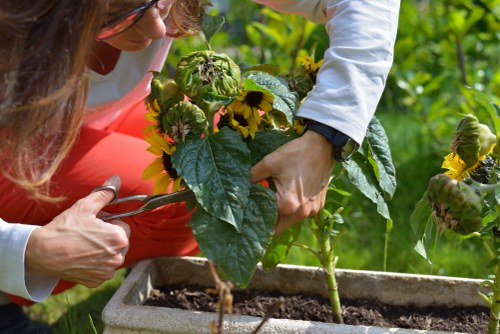
A full garden project can be as simple or as involved as you need. Some customers come to us with a clear idea of what they want, while others know the garden is not working but are unsure how to fix it. In both cases, the process usually starts with understanding how you want the space to function and what problems need solving.
Common elements of a garden design and build service include hard landscaping, soft landscaping, and the practical details that tie everything together. This may involve reworking levels, laying paths, adding steps, building retaining structures, improving drainage, or creating zones for dining, play, storage, and planting. A well-built garden should not only look good on day one; it should remain usable and manageable over time.
Hard landscaping often forms the structure of the garden, while planting brings the softer finish. The right balance depends on your lifestyle. For example, a low-maintenance scheme may use more paving and structured planting, while a family garden may need turf, robust edges, and durable materials that stand up to regular use.
Typical elements included in a project
- Initial consultation and site assessment
- Concept ideas and layout planning
- Ground preparation and clearance
- Paving, patios, paths, and stepping stones
- Decking, composite surfaces, or seating areas
- Raised beds, borders, and planters
- Turfing, artificial grass, or lawn renovation
- Fencing, screening, and boundary improvements
- Drainage adjustments and practical water management
- Planting schemes suited to shade, sun, and maintenance needs
If you are comparing options, it can help to think beyond appearance. A good design should answer questions such as: How will the garden be used in winter and summer? Where will you store bins, bikes, tools, or toys? Can the layout be improved to make access easier? These details are often what turn an ordinary garden into one that genuinely works for the household.
How our garden design and build process works

Customers often want to know what happens first and how long a project may take. While every garden is different, a clear process helps keep things moving and ensures the final result matches the plan. Good communication is important at every stage, especially where a property has limited access or where the work needs to be coordinated around neighbours, deliveries, or business hours.
Typically, the process begins with a conversation about the space, your aims, and any issues that need to be addressed. This may include poor drainage, uneven ground, lack of privacy, shaded areas, outdated surfaces, or a garden that no longer suits the way you live. Once those points are understood, the design can be shaped around them. That practical thinking is one of the biggest advantages of working with a local team.
After the plan is agreed, the build phase can be organised in a logical order: clearing and preparation, any structural work, installation of surfaces or features, and finally planting and finishing touches. A well-managed build should feel tidy, predictable, and respectful of your property.
Project stages at a glance
- Site visit and discussion – to understand the space and your goals.
- Design concept – shaping the layout, materials, and planting style.
- Specification and planning – deciding what will be built and in what order.
- Preparation and clearance – removing old features, levelling, and setting out.
- Construction – building paths, patios, borders, seating, or structural elements.
- Planting and finishing – adding greenery, edge details, and final refinements.
Why a staged approach helps
A staged approach reduces confusion and allows the garden to be built properly, rather than rushed. It also makes it easier to adjust details if conditions on site change, which is especially useful in older properties where the ground or boundaries may not be exactly as expected.
Garden design ideas that work well for Penge properties

There is no single best layout for every home, but certain design approaches tend to work particularly well in Penge. For example, narrow gardens often benefit from clear lines, lighter surfaces, and planting that adds structure without making the space feel crowded. Larger gardens may have room for distinct areas, such as a dining terrace, a lawn, and a planting zone with year-round interest.
For homes near busier roads or with close neighbouring properties, privacy and screening are common priorities. This can be achieved with fencing, trellis, layered planting, or carefully positioned trees and shrubs. Meanwhile, if the space is shaded by buildings or mature trees, plant selection becomes especially important. Shade-tolerant plants, well-planned hard landscaping, and proper drainage can make a big difference to how usable the garden feels.
Low-maintenance garden design is also popular for busy households, landlords, and commercial properties. That does not mean the space has to look plain. It simply means choosing materials and planting that are easier to care for, while still creating visual interest and a pleasant atmosphere.
Practical design ideas often requested by local customers
- Compact patios with room for a table and chairs
- Simple, strong planting schemes that stay neat through the seasons
- Pathways that improve access and reduce muddy areas
- Raised beds for easier planting and maintenance
- Children’s play areas separated from formal seating spaces
- Boundary screening for privacy from adjacent homes
- More usable front gardens with smarter access or parking layouts
- Accessible gardens with safer movement and level changes handled carefully
For many households, the best design is one that feels natural to use. If the garden is easy to move around, simple to maintain, and attractive from the kitchen or living room, it becomes part of everyday life rather than a space that is rarely used.
Why choose a local company for garden design and build in Penge

Choosing a local company can make a real difference to how your project is planned and delivered. Penge has a mix of residential streets, busier through-routes, and properties where access needs to be managed carefully. A local team is more likely to understand the practical realities of working in the area, including parking constraints, narrow access points, and the need to keep disruption to a sensible level.
Local experience also helps when making material choices. Some gardens need hard-wearing finishes because they are used heavily by families or customers. Others need a softer, more planted look because they are visible from a home office, café terrace, or communal entrance. Knowing what tends to work in a similar property type can save time and reduce the risk of choosing materials that are not suited to the setting.
A local service can also be better for aftercare and future adjustments. If you want to extend a patio later, add more planting, or revise part of the layout, it is useful to work with a team that already knows your garden and understands the original build.
What local customers often value most
- Practical advice based on nearby property types
- Better awareness of access and parking limitations
- Thoughtful planning for shared boundaries and neighbour relations
- More suitable material recommendations for local conditions
- Clear communication from start to finish
- A layout that fits real family, rental, or business use
Request a free quote if you are ready to explore what is possible. Even if you are still deciding on the final look, an initial discussion can help clarify costs, timescales, and the best route for your property.
Garden design and build for different types of customers
Garden work is not just for homeowners planning a complete transformation. In Penge, there is demand from a wide range of customers, and the right solution depends on how the outdoor area is used.
Residential properties
Homeowners often want better outdoor space for relaxing, entertaining, children’s play, or growing plants. Some want a complete redesign after years of piecemeal changes, while others simply need to replace tired paving, improve the lawn, or create a cleaner boundary. A good residential garden build should balance comfort, practicality, and easy upkeep.
Lettings and managed properties
Landlords and property managers often need gardens that are robust, presentable, and easy to maintain between tenancies. In these cases, low-maintenance planting, durable paving, and tidy boundary treatment can be more valuable than elaborate features. The aim is to create an outdoor space that looks cared for without becoming a burden.
Commercial and hospitality spaces
For businesses, external areas can influence how welcoming a property feels. That may include frontage improvements, seating areas, planters, or landscaped spaces that support a more polished appearance. A commercial garden design and build project should be planned around usage, safety, accessibility, and the need for a smart finish that holds up to regular traffic.
In each case, the best results come from matching the build to the purpose of the space. A garden for quiet family use will not need the same layout as a courtyard for customers or a communal area for residents, and a tailored approach makes all the difference.
Materials and features commonly used in garden builds
The materials chosen for a garden affect how it looks, how it ages, and how easy it is to maintain. In Penge, many customers want something attractive but not overly fussy, with a finish that suits the property style. The right combination of surfaces and features can also help a smaller garden feel more organised and spacious.
Popular choices often include natural-looking paving, brick edging, timber or composite structures, decorative gravel, and planting that adds texture across the year. For families, durability may be the priority. For a more relaxed garden, softer planting and warm-toned materials can create a calm atmosphere. The most successful designs are usually those where the materials feel coordinated rather than mixed at random.
Examples of features that can transform a garden
- Patios for outdoor dining and seating
- Raised planters to create structure and improve access
- Retaining walls where levels need to be managed safely
- Built-in steps for safer and better-looking transitions
- Boundary fencing and screening for privacy and definition
- Lighting-friendly layouts that support evening use
- Lawns or lawn alternatives based on how much use the area gets
When choosing materials, it is worth thinking about more than appearance. A surface that looks good but becomes slippery, difficult to clean, or unsuitable for the amount of use it gets may not be the best long-term choice. Professional design and build advice helps avoid those pitfalls.
Preparing for your garden design and build project
Good preparation helps the project start smoothly and keeps disruption to a minimum. Before work begins, it is useful to think about what must stay, what can be removed, and how the space will be used once the build is complete. This is especially helpful in smaller urban gardens where every feature needs a purpose.
If you are planning a garden redesign in Penge, it can help to walk around the space and make notes. Consider which areas are too shaded, where water collects, which parts feel awkward to use, and what you would like to improve most. A clear wish list makes the design stage more focused and helps the build team work toward the same goals.
Preparation checklist for customers
- Decide how you want to use the garden most often.
- Note any drainage, privacy, or access issues.
- Identify features you want to keep, replace, or move.
- Think about maintenance level and how much time you want to spend on upkeep.
- Consider whether you need space for storage, bikes, bins, or children’s equipment.
- Share any practical concerns about neighbours, deliveries, or restricted access.
It is also sensible to think about the season in which the work will happen. Planting choices, ground conditions, and timing can all affect the build. A well-planned project takes these factors into account so the garden finishes in good shape and is ready to use as soon as possible.
Pricing factors and what influences the cost
Every project is different, so costs can vary depending on the size of the garden, the complexity of the design, and the materials selected. Rather than focusing on a single figure, it is better to understand the main factors that affect the overall cost of garden design and build in Penge.
These factors may include how much clearance is needed, whether the ground needs levelling, the type of paving or decking selected, the amount of planting involved, and whether any drainage or structural work is required. Access can also influence labour and delivery arrangements, especially in properties with limited rear access or parking challenges.
Main factors that affect the price
- Size and shape of the garden
- Condition of the existing space
- Quantity of hard landscaping required
- Quality and type of materials chosen
- Planting scope and soil preparation
- Access restrictions and waste removal requirements
- Any extra structural or drainage work
A proper quotation should explain what is included and what is not, so you can compare options sensibly. If you are working to a budget, it may be possible to phase the work, starting with the most important structural changes and adding planting or finishing touches later.
Contact us today if you would like to discuss your ideas and understand which parts of your project are likely to shape the budget most strongly.
Areas covered around Penge
A local garden design and build service in Penge can often also cover surrounding neighbourhoods and nearby parts of South East London. This is useful if you live close to the boundaries of the area or have a property that sits between several local districts.
Nearby locations may include Beckenham, Anerley, Crystal Palace, Sydenham, Upper Norwood, Elmers End, and parts of Bromley and South Norwood, depending on the project and the site’s practical requirements. If you are unsure whether your property is covered, it is worth making an enquiry with a brief description of the job.
Because local travel distances are manageable, this can make it easier to arrange surveys, deliveries, and site visits without unnecessary delays. It also helps when a project needs follow-up work such as extra planting, a small adjustment, or future garden improvements.
Frequently asked questions
How long does a garden design and build project take?
Timescales vary depending on the size and complexity of the work. A small redesign may take far less time than a full garden transformation involving levels, drainage, paving, and planting. A proper site visit is the best way to estimate the schedule.
Can you work with small or awkward gardens?
Yes. Many Penge properties have compact or irregular gardens, and that is often where good design makes the biggest difference. Careful planning can make a small space feel more open, practical, and attractive.
Do I need to know exactly what I want before enquiring?
No. Some customers have a clear vision, while others only know what they dislike about their current garden. Either is fine. The design stage is there to turn rough ideas into a workable plan.
Can the garden be designed for low maintenance?
Yes. If you want less upkeep, the layout, planting, and materials can be chosen with that in mind. Low-maintenance does not have to mean plain; it simply means practical choices that are easier to manage.
Do you work on both homes and businesses?
Yes. Garden design and build services can be adapted for residential and commercial customers, including landlords, managed buildings, and hospitality spaces that need a smart external finish.
What if access is difficult?
Access issues are common in local projects, especially where there is no side entrance or parking is limited. A site assessment helps plan the right approach for materials, waste removal, and the order of work.
Can I have planting and paving in the same project?
Absolutely. In fact, combining hard landscaping and planting often gives the best results. The key is making sure both elements are designed together so the final space feels balanced.
Is it possible to phase the work?
Yes, many customers prefer to complete a garden in stages. This can be useful when budget, timing, or access considerations mean it is better to prioritise one part of the project first.
Ready to improve your outdoor space?
If your garden in Penge is not working as well as it should, a professional design and build service can help turn it into a space you actually want to use. Whether you need a family-friendly layout, a better entertaining area, a more polished front garden, or a practical low-maintenance finish, the right plan can make a noticeable difference.
Local experience, careful planning, and a sensible build process all matter when creating a garden that suits Penge properties. From narrow terraces to larger rear gardens, from private homes to commercial outdoor areas, the aim is always to create a finish that feels useful, attractive, and appropriate to the setting.
Book your service now or request a free quote to begin discussing your ideas. If you are ready to transform your outdoor space, contact us today and take the first step toward a garden designed around the way you live.